How to build a wedding budget that doesn't blow up (and track every payment)
A step-by-step method to set your wedding budget, split it by category, keep a safety margin and stay on top of deposits and balances — even with several ceremonies.
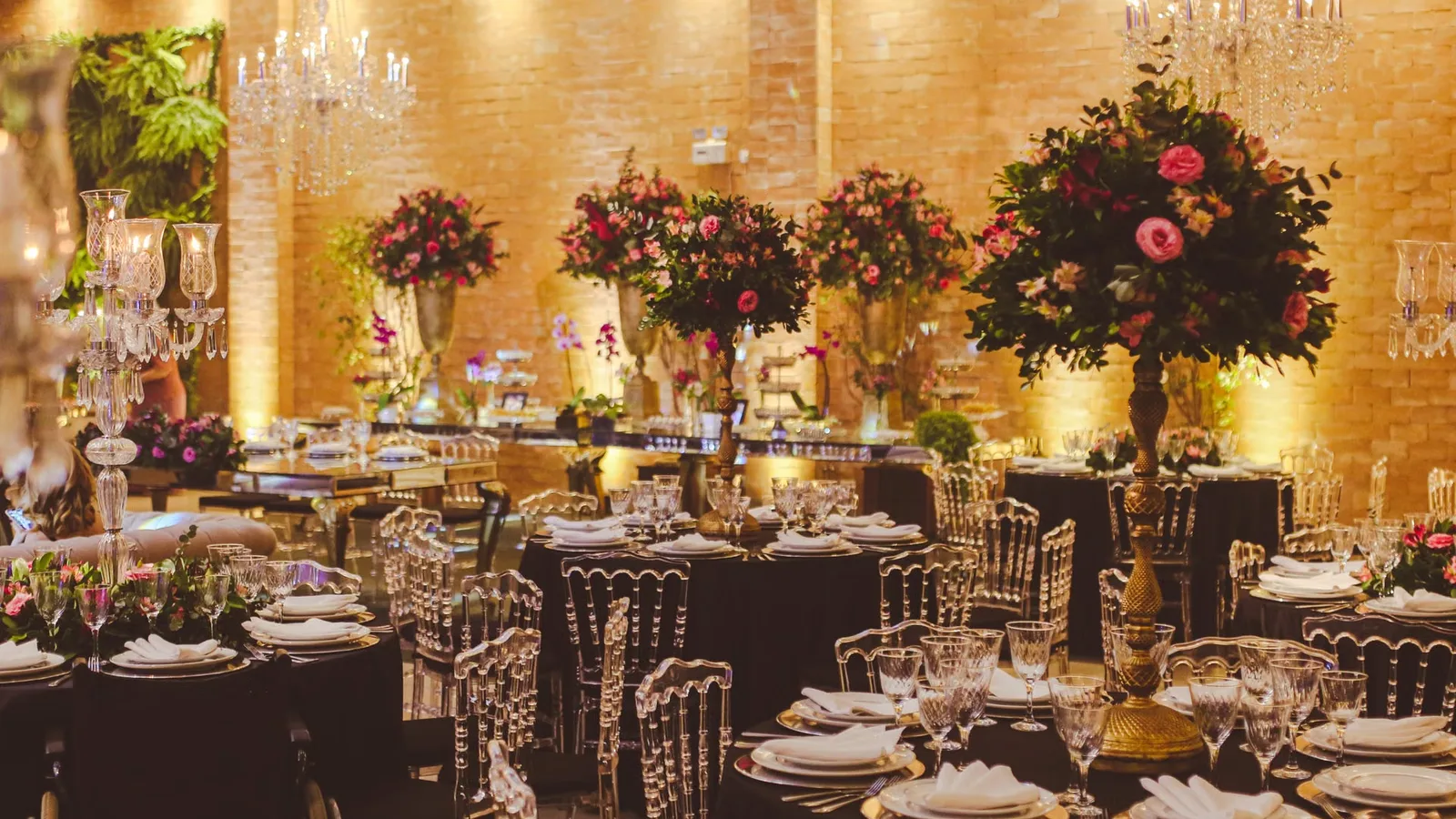
A wedding budget rarely blows up because of one big expense. It slips because of dozens of small ones — an extra table here, a delivery fee there — and because payments are spread over many months, so nobody sees the real total until it is too late.
The good news: a budget that holds is mostly a question of method. Here is a simple one you can follow from the first day.
1. Start from what you can spend, not from what things cost
Before you look at a single venue, write down three numbers: what you have already saved, what you can still save before the date, and what family members have actually promised to contribute. Their sum is your real budget. Starting from price lists does the opposite: it sets your expectations first and your bank account second.
2. Split your total into categories
Once the total is fixed, give every category its own envelope. The split below is only a starting point to adapt to your priorities — some couples spend more on photography, others on the party.
| Category | Starting share |
|---|---|
| Venue, food & drinks | 40–50% |
| Outfits, hair & make-up | 8–10% |
| Photo & video | 10–12% |
| Music & entertainment | 5–8% |
| Decor & flowers | 8–10% |
| Stationery, rings, transport, favours | 5–8% |
| Safety margin | 5–10% |

3. Keep a safety margin — and don't touch it
Set aside 5 to 10% of the total for the unexpected: a price increase, extra guests, a forgotten fee. Treat it as already spent. If you reach the last month with money left in it, it becomes a nice bonus for the honeymoon.
4. Your guest list is your budget
Every guest multiplies the cost of food, drinks, chairs, favours and sometimes transport. Decide your guest count before signing with the venue and the caterer, then check every new name against the budget.
5. Track planned vs. actual, category by category
For each line, note the amount you planned and the amount you actually committed once you sign a quote. When a category goes over, take the difference from another one straight away instead of hoping it will balance out later.
6. Track payments, not just prices
A $3,000 caterer is rarely paid in one go. There is a deposit when you sign, sometimes a second instalment, and a balance just before or after the big day. For every vendor, write down:
- the total price and what it includes
- each payment: amount, due date and how you pay
- what is already paid and what is left
- the cancellation conditions in the contract
Put the due dates in one calendar. That is how you avoid three balances landing in the same week.
7. Several ceremonies? Give each one its own budget
Many weddings are really several events: an introduction or traditional ceremony, a civil ceremony, a religious ceremony, a reception. Give each event its own lines so you can see what each one costs — and who contributes to which.
8. Review it once a month
Ten minutes a month is enough: update what you have paid, check what is due in the next 30 days, and adjust before small gaps become big ones.
The most common mistakes
- Forgetting delivery, service and overtime fees in quotes
- Adding guests without updating the food and drinks budget
- Paying balances from memory instead of from a list
- Counting on contributions that were never confirmed